
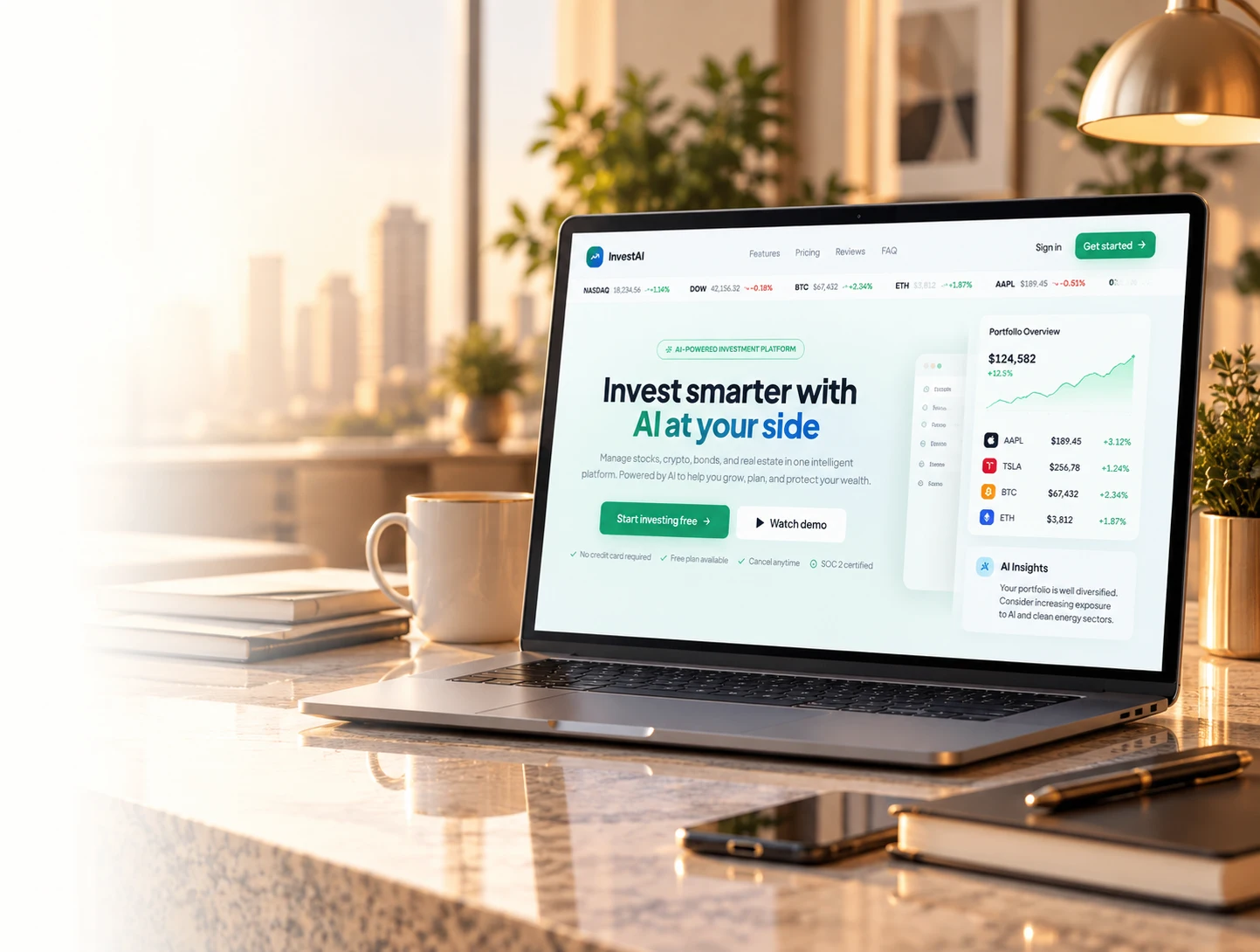

Bring goals, risk preferences, holdings, account history, and previous advisor context together so every review starts with a clearer picture of the investor.

Review allocation, diversification, concentration, performance, and exposure without manually piecing together data from different systems.

Use investor and portfolio context to help an AI financial advisor surface recommendations that are relevant to the individual account rather than giving the same answer to every investor.

Give AI for financial advisors a practical role in daily work, from answering portfolio questions and summarizing research to preparing client reviews and suggesting useful next steps.

Surface portfolio drift, excess cash, concentrated positions, changing risk, and other signals that may deserve an advisor’s attention.

Turn current portfolio data, investor context, and recent activity into a clear briefing advisors can use before portfolio reviews and client conversations.

Understand what the investor is working toward, how long they plan to invest, and which priorities should shape the portfolio.

Factor in risk tolerance, liquidity needs, asset preferences, and other boundaries so recommendations stay relevant to the individual.

Look at existing holdings, allocation, concentration, gains, losses, and exposure before suggesting what should change.

Apply mandates, product restrictions, suitability requirements, and AI financial compliance controls before a recommendation moves forward.

Model market shifts, rate changes, and life events, then review the tax implications of each option before a recommendation moves forward.

Instead of giving an AI financial advisor a black-box answer, show what triggered the recommendation and which investor and portfolio factors influenced it, making using AI for investing easier to review and act on.

Bring goals, risk preferences, current holdings, and investment constraints together to prepare a more relevant portfolio proposal.

Summarize performance, allocation changes, risk exposure, and recent activity before every client discussion.

Flag drift, concentrated positions, excess cash, changing exposure, or other conditions that may need advisor attention.

Revisit portfolio direction when a client's goals, time horizon, liquidity needs, or risk preferences change.

Bring portfolio context, market research, and relevant financial information together before evaluating an opportunity.

Route recommendations through advisor and investment adviser compliance review, then connect approved decisions with an AI trading assistant.

Bring together financial goals, risk tolerance, investment horizon, liquidity needs, preferences, and account restrictions before analyzing what may need to change.

Combine current holdings, transactions, allocation, performance, and relevant market information so AI for investment works from the latest portfolio picture rather than isolated data points.

Use portfolio rules, scenario analysis, and machine learning development models to assess concentration, risk, allocation gaps, and the potential effect of a proposed change.

Check recommendations against investment mandates, product eligibility, suitability requirements, and investment adviser compliance controls before they reach the advisor.

Show what changed, why it matters, and what action may be worth reviewing. This makes using AI for investing more practical because the advisor gets the reasoning and portfolio context, not just an unexplained recommendation.