
IP Asset Tokenization Platform Development
Turn patents, copyrights, and trademarks into blockchain-based assets. Our IP tokenization platforms support token issuance, ownership tracking, and secure transfers.


Home / IP Tokenization Development Company
Turn patents, copyrights, and trademarks into blockchain-based assets with Ment Tech. Our intellectual property tokenization solutions help businesses raise capital, enable fractional ownership, automate royalties, and monetize IP while maintaining control over their rights.
Built for
Music & Entertainment
Healthcare & Pharmaceuticals
Artificial Intelligence
Education & Research
Royalty run · Q3
Paid
Creators
$41,280
Publishers
$16,770
Token holders
$6,450
Music catalog · 214 tracks
Paid in USDC
Licence registry
Patent US-11,204,587
Licensed
Song catalog · 214 tracks
Tokenized
Trademark licence · EU
Renewal due
AI dataset licence AI-07
Active
Royalties paid by smart contract
Services
Build intellectual property tokenization platforms to monetize IP, manage licensing, automate royalties, and simplify digital ownership.
Token issuance · Patent
Ownership verified
Passed
Tokens minted · 1,000
Issued
Transfer #42
Settled
Holder cap · 250
Set
Turn patents, copyrights, and trademarks into blockchain-based assets. Our IP tokenization platforms support token issuance, ownership tracking, and secure transfers.
Licence agreement L-208
Usage · EU, 3 years
Active
Renewal
Due in 30 days
Revenue share · 12%
Enforced
Sublicensing
Blocked
Simplify IP licensing with smart contracts that manage usage permissions, renewals, and revenue-sharing terms without lengthy manual processes.
Royalty split · Q3
Creators · 64%
$41,280
Publishers · 26%
$16,770
Investors · 10%
$6,450
Payout
Sent
Automate royalty calculations, track earnings, and distribute payments to creators, publishers, and rights holders based on agreed terms.
Offering · Music catalog
Sold
72%
Investor onboarding
Open
KYC checks
Passed
Revenue distribution
Monthly
Raise capital by offering fractional economic interests in eligible IP assets. These platforms support IP tokens, investor onboarding, and revenue distribution.
Dataset licence AI-07
Access · model training
Granted
Attribution
Recorded
Usage · 1.2M records
Metered
Unlicensed usage
Flagged
Manage licensing rights for AI datasets and digital content with usage tracking, access controls, attribution, and revenue-sharing features.
Marketplace listing
Wallet connected
Ready
Identity verification
Verified
Investor eligibility
Eligible
Transfer to unverified wallet
Blocked
Build marketplaces to issue, license, and transfer tokenized IP interests, with wallet integration, identity verification, and investor eligibility controls.
Use Cases
From music royalties to pharmaceutical patents, IP tokenization creates new opportunities to fund, license, and monetize intellectual property. Here are eight practical blockchain intellectual property use cases across industries.
Artists and music publishers can tokenize royalty income to raise upfront capital. Investors receive an agreed share of earnings while creators retain their contractually defined rights.
Biotech companies can use patent-backed tokens to attract funding for drug development, clinical research, and commercialization without necessarily selling their patents.
Dataset owners can license content to AI developers with defined usage permissions, payment terms, and ownership records, making data licensing easier to manage.
Studios can tokenize eligible film revenues, distribution rights, and licensing income to attract investors and simplify revenue sharing among stakeholders.
Game developers can license characters, artwork, and creative assets across approved platforms while tracking usage permissions and royalty payments.
Businesses can tokenize specific trademark licensing and merchandising rights, making it easier to manage regional agreements, renewals, and partner payments.
Technology companies can tokenize patent licensing rights and support transfers of eligible tokenized interests through secondary marketplace development, subject to licensing terms and applicable regulations.
Universities and research institutions can tokenize eligible research patents and licensing revenue to attract commercial partners and fund further innovation.
Industries
From entertainment and healthcare to technology and manufacturing, our IP tokenization solutions help businesses monetize intellectual property, manage licensing rights, and create new revenue opportunities.
IP Assets
From patented inventions to creative works, intellectual property rights tokenization allows businesses to represent eligible IP rights and revenue interests on blockchain networks. Different assets require different ownership, licensing, and token structures.
01
Tokenize eligible patents covering technologies, inventions, and scientific discoveries. Patent-backed tokens can represent licensing income, defined ownership interests, or commercial rights.
Patents
02
Turn music, films, books, artwork, and other copyrighted works into tokenized assets. Creators can offer licensing rights or shares in future royalty earnings.
Copyrights
03
Tokenize eligible trademark licensing and franchise rights to manage brand partnerships, merchandising agreements, and revenue sharing across authorized markets.
Trademarks
04
Represent commercial rights in proprietary software, applications, algorithms, and source code through tokens that support licensing, authorized access, and revenue distribution.
Software
05
Tokenize contractual rights to use confidential formulas, manufacturing processes, and business know-how without exposing sensitive information on the blockchain.
Trade Secrets
06
Create tokens linked to registered product designs, patterns, and visual innovations. Businesses can manage design licensing, commercial usage permissions, and related earnings.
Designs
07
Tokenize eligible licensing rights for AI training datasets, curated databases, and digital content. Support controlled access, usage permissions, and payments to authorized contributors.
AI Data
08
Use Tokenizing Intellectual Property to represent contractual rights to licensing fees, royalties, and other revenue streams, without necessarily transferring ownership of the underlying asset.
Royalties
Benefits
Intellectual property tokenization helps IP owners, investors, and businesses unlock new revenue opportunities, simplify rights management, and access IP-backed investments.
Unlock IP-Backed Funding: Raise capital against eligible patents, copyrights, and royalty income without necessarily selling the underlying IP.
Retain Ownership Control: Monetize defined licensing or revenue rights while keeping ownership of the original IP, where the agreement allows.
Automate Royalty Payments: Use smart contracts to calculate and distribute earnings, reducing manual work and payment delays.
Reach New Commercial Partners: Connect with potential licensees and investors across markets to explore new revenue opportunities.
Access New Asset Classes: Invest in eligible intellectual property securities linked to patents, creative works, or licensing revenues.
Lower Investment Barriers: Participate in fractional IP-backed offerings without committing capital to an entire asset.
Track Investment Activity: Access transaction records, ownership information, and revenue reports through a shared platform.
Diversify Investment Portfolios: Explore IP-backed opportunities across technology, healthcare, entertainment, and research.
Simplify Licensing Operations: Manage agreements, renewals, usage permissions, and royalty terms through one system.
Monetize Underused IP: Turn dormant patents, software rights, and existing IP portfolios into potential licensing income.
Improve Rights Management: Use Intellectual property tokenization platforms to track token holdings, transfers, and associated rights.
Strengthen Compliance Oversight: Apply transfer restrictions, access permissions, and RWA compliance services to support regulated IP-backed offerings.
How It Works
We turn IP rights into blockchain-based assets through ownership verification, legal structuring, smart contract development, and secure token issuance.
From IP rights to royalty payouts
01
Ownership and licences reviewed
Patents
Copyrights
02
Licensing or royalty rights defined
Royalty income
Licensing rights
03
Issuance and royalty allocation
Token standards
Transfer controls before issuance
04
Identity and transfer controls
Investor verification
Passed
05
Earnings distributed to holders
Q3 royalty run
Paid
Controls on Every Step
Identity checks
Transfer restrictions
Royalty reporting
Security testing
Turn your IP rights into revenue-generating digital assets with a secure, compliant tokenization platform.
01
Review ownership documents, existing licenses, territorial restrictions, and royalty records. Identify which rights can legally be tokenized and assess their commercial potential.
02
Define what each token represents: ownership interests, licensing rights, or royalty income. Establish revenue-sharing terms, transfer conditions, and applicable regulatory requirements.
03
Select the blockchain and token standards based on the asset structure. Develop smart contracts for issuance, licensing permissions, royalty allocation, and controlled transfers.
04
Build asset dashboards, wallet connectivity, licensing workflows, and payment integrations. Add rights records and access controls to the blockchain intellectual property protection platform.
05
Test royalty calculations, ownership changes, licensing restrictions, and smart contract vulnerabilities. Verify identity checks and transfer controls before production deployment.
06
Deploy approved contracts, register IP metadata, and issue tokens to eligible participants. Set up royalty reporting, licensing updates, transaction monitoring, and ongoing platform support.
FAQ
What is intellectual property tokenization, and how does it work?
Intellectual property tokenization turns defined rights linked to patents, copyrights, and trademarks into blockchain-based tokens. These tokens can support licensing, revenue sharing, and ownership tracking.
Can I tokenize intellectual property without giving up ownership?
Yes. You can tokenize royalty income or licensing rights while keeping ownership of your original IP, depending on how the legal agreement is structured.
How much does intellectual property tokenization cost?
Costs depend on the blockchain, smart contracts, licensing features, and compliance requirements. A basic platform costs less than one with automated royalties, investor onboarding, and trading features.
How long does it take to develop an IP tokenization platform?
A simple platform may take several weeks. More complex projects involving legal approvals, royalty automation, and security testing can take a few months.
Which blockchain is best for IP tokenization?
Ethereum and EVM-compatible networks are popular choices for tokenized IP. The best option depends on security, transaction costs, smart contract support, and your business needs.
Is intellectual property tokenization legal?
Yes, when structured according to applicable laws. Some intellectual property securities may require investor verification, regulatory disclosures, and restrictions on token transfers.
How are royalties distributed through IP tokens?
Smart contracts can calculate and distribute royalties based on agreed revenue shares once payments are received and verified. This reduces manual calculations and improves payment tracking.
Can tokenized intellectual property be traded or sold?
Yes, if the underlying agreements and regulations allow it. RWA transfer restriction services can help enforce eligibility rules and prevent unauthorized token transfers.
What should I look for in an intellectual property tokenization platform?
Choose a platform with secure smart contracts, ownership records, licensing tools, royalty automation, and compliance controls. Reliable intellectual property tokenization platforms should also support future business growth.
Turn patents, copyrights, and trademarks into blockchain-based assets. Our IP tokenization platforms support token issuance, ownership tracking, and secure transfers.

Simplify IP licensing with smart contracts that manage usage permissions, renewals, and revenue-sharing terms without lengthy manual processes.

Automate royalty calculations, track earnings, and distribute payments to creators, publishers, and rights holders based on agreed terms.

Raise capital by offering fractional economic interests in eligible IP assets. These platforms support IP tokens, investor onboarding, and revenue distribution.

Manage licensing rights for AI datasets and digital content with usage tracking, access controls, attribution, and revenue-sharing features.

Build marketplaces to issue, license, and transfer tokenized IP interests, with wallet integration, identity verification, and investor eligibility controls.

Artists and music publishers can tokenize royalty income to raise upfront capital. Investors receive an agreed share of earnings while creators retain their contractually defined rights.

Biotech companies can use patent-backed tokens to attract funding for drug development, clinical research, and commercialization without necessarily selling their patents.

Dataset owners can license content to AI developers with defined usage permissions, payment terms, and ownership records, making data licensing easier to manage.

Studios can tokenize eligible film revenues, distribution rights, and licensing income to attract investors and simplify revenue sharing among stakeholders.

Game developers can license characters, artwork, and creative assets across approved platforms while tracking usage permissions and royalty payments.

Businesses can tokenize specific trademark licensing and merchandising rights, making it easier to manage regional agreements, renewals, and partner payments.

Technology companies can tokenize patent licensing rights and support transfers of eligible tokenized interests through secondary marketplace development, subject to licensing terms and applicable regulations.

Universities and research institutions can tokenize eligible research patents and licensing revenue to attract commercial partners and fund further innovation.
 Music & Entertainment
 Healthcare & Pharmaceuticals
 Information Technology
 Artificial Intelligence
 Gaming & Esports
 Media & Publishing
 Education & Research
 Fashion & Luxury
 Manufacturing & Engineering
 Franchising & Retail

Tokenize eligible patents covering technologies, inventions, and scientific discoveries. Patent-backed tokens can represent licensing income, defined ownership interests, or commercial rights.

Turn music, films, books, artwork, and other copyrighted works into tokenized assets. Creators can offer licensing rights or shares in future royalty earnings.

Tokenize eligible trademark licensing and franchise rights to manage brand partnerships, merchandising agreements, and revenue sharing across authorized markets.

Represent commercial rights in proprietary software, applications, algorithms, and source code through tokens that support licensing, authorized access, and revenue distribution.

Tokenize contractual rights to use confidential formulas, manufacturing processes, and business know-how without exposing sensitive information on the blockchain.

Create tokens linked to registered product designs, patterns, and visual innovations. Businesses can manage design licensing, commercial usage permissions, and related earnings.
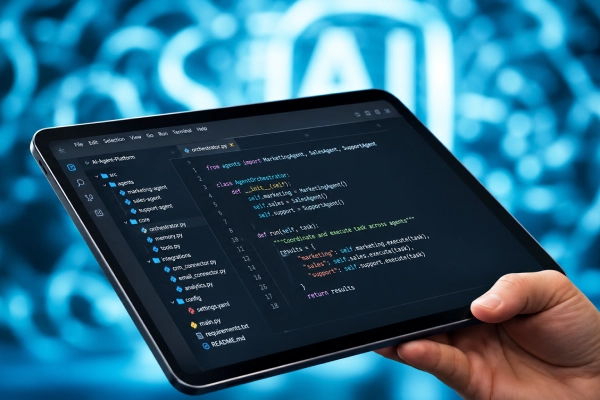
Tokenize eligible licensing rights for AI training datasets, curated databases, and digital content. Support controlled access, usage permissions, and payments to authorized contributors.
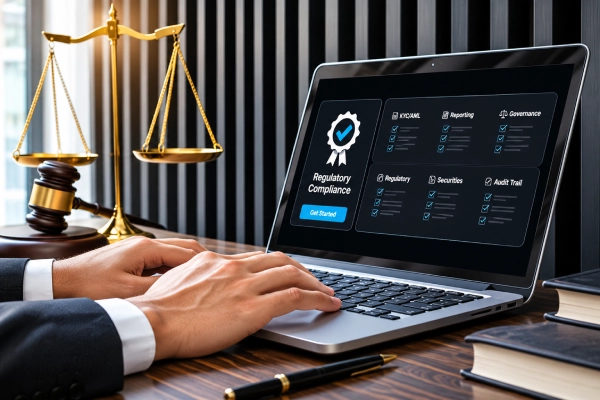
Use Tokenizing Intellectual Property to represent contractual rights to licensing fees, royalties, and other revenue streams, without necessarily transferring ownership of the underlying asset.
Review ownership documents, existing licenses, territorial restrictions, and royalty records. Identify which rights can legally be tokenized and assess their commercial potential.
Define what each token represents: ownership interests, licensing rights, or royalty income. Establish revenue-sharing terms, transfer conditions, and applicable regulatory requirements.
Select the blockchain and token standards based on the asset structure. Develop smart contracts for issuance, licensing permissions, royalty allocation, and controlled transfers.
Build asset dashboards, wallet connectivity, licensing workflows, and payment integrations. Add rights records and access controls to the blockchain intellectual property protection platform.
Test royalty calculations, ownership changes, licensing restrictions, and smart contract vulnerabilities. Verify identity checks and transfer controls before production deployment.
Deploy approved contracts, register IP metadata, and issue tokens to eligible participants. Set up royalty reporting, licensing updates, transaction monitoring, and ongoing platform support.


