Crypto trading is growing quickly, and more people are using margin trading to increase their buying power and potential returns. Borrowing for trading has also increased across traditional markets. Recent FINRA data shows that margin debt reached a record high in October 2025, which means more investors are relying on borrowed funds than ever before. This rise is also seen in crypto, where margin trading has become a common choice for traders who want to make the most out of market movements.
With margin trading becoming more popular, picking the right crypto exchange is extremely important. A reliable platform should offer strong security, smooth performance, good crypto liquidity, and clear fee structures. It should also support a variety of cryptocurrencies and provide tools that help traders manage risk effectively. These factors are key to trading safely and confidently with leverage.
Criteria to Choose the Best Crypto Margin Trading Exchanges in 2026
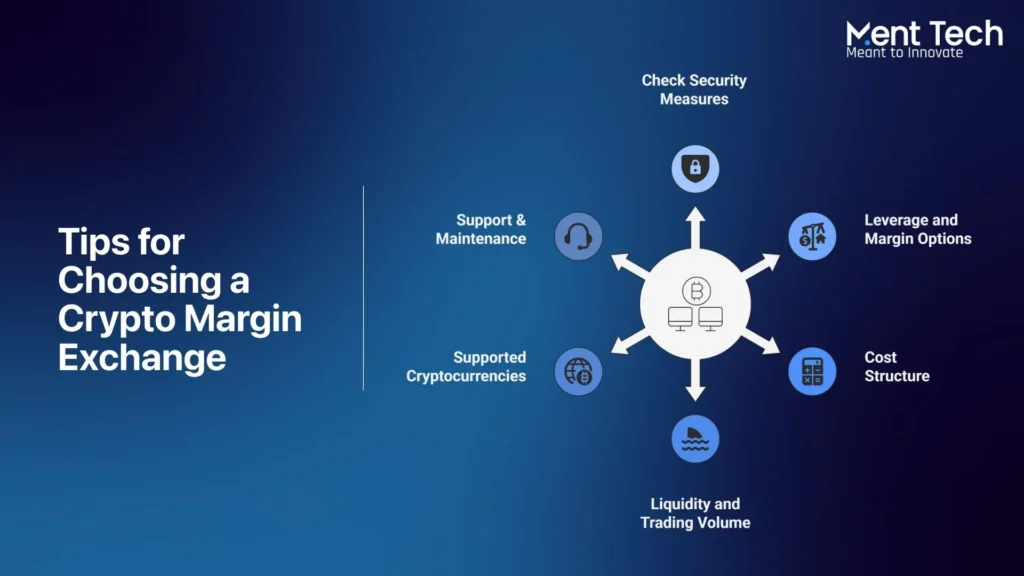
Picking the right crypto margin exchange means looking beyond basic features. The platforms that truly excel combine deep liquidity, transparent policies, strong risk controls, and a reliable operational history. Here are the key markers traders look at when evaluating an exchange:
1. Security and Trustworthiness
Choose platforms with strong protection measures like proof-of-reserves audits, storage, and required 2FA. Exchanges that operate transparently, especially those offering cryptocurrency exchange turnkey solutions, often maintain higher trust standards and may follow regional regulations, which many traders value.
2. Leverage and Margin Options
Margin platforms differ widely in the leverage they offer. Whether you prefer 5x or 100x, make sure the exchange supports both isolated and cross margin. It also helps if the platform extends margin access across spot, futures, perpetuals, and even advanced tools like OTC or P2P trading, giving traders more flexibility.
3. Cost Structure
Cost structures can make a big difference in profitability. Compare maker/taker fees, funding rates on borrowed capital, and any charges for deposits or withdrawals. Active traders should also check for fee reductions tied to trading volume or holding native exchange tokens.
4. Liquidity and Trading Volume
Deep liquidity ensures fast, predictable order execution critical when trading with leverage. High-volume exchanges also reduce slippage, helping traders manage entries and exits more effectively, especially during volatile market swings.
5. Supported Cryptocurrencies
A good margin trading exchange should offer a wide range of crypto assets and trading pairs. This allows traders to diversify positions and take advantage of opportunities across different markets, whether through standard order books or OTC desks for larger trades.
6. Support & Maintenance
Strong customer support matters, especially when margin positions are involved. Exchanges offering direct support channels like live chat, email, or responsive help centres can save traders time and stress when issues arise.
Top 10 Crypto Margin Trading Exchanges for 2026
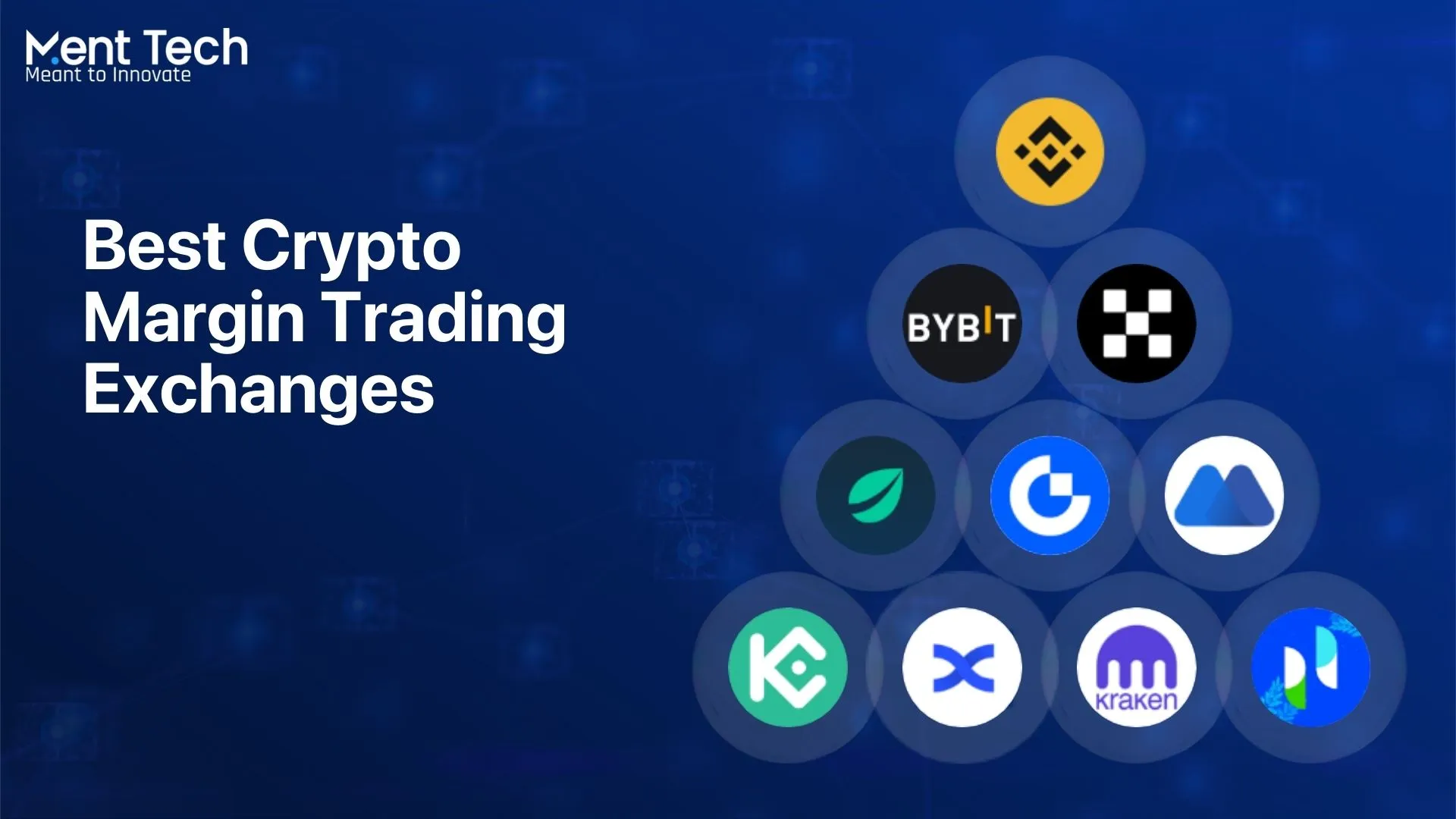
After extensive research and analysis, we have identified the best crypto margin trading exchanges for 2026. Each platform offers unique advantages and caters to different types of traders.

1. Binance
The exchange remains the biggest name globally when it comes to crypto margin, futures and spot trading exchanges. It supports hundreds of cryptocurrencies and many trading pairs, giving traders lots of options from major coins like BTC and ETH to smaller altcoins.
On the margin/futures side, Binance offers high leverage (up to 125× on futures) and provides both cross‑margin and isolated-margin modes. The platform also offers relatively low fees and a wide variety of order types and tools, suitable for both beginners and experienced traders.

2. Bybit
Bybit is known for being built with margin and derivatives traders in mind. It offers up to 100× leverage on futures, which attracts those who aim for aggressive trading or high potential returns. The platform’s interface is designed to feel smooth and responsive, and many users appreciate its mobile‑friendly design and fast execution speeds, which are useful when markets move quickly.
For traders who prefer learning or less hands‑on approaches, Bybit offers features like leveraged tokens and, in some cases, demo accounts to practice without real risk. That makes it versatile: good for both experienced margin users and those still learning the ropes.

3. OKX
OKX positions itself as a more advanced, institutional‑style exchange with tools and flexibility that appeal to serious margin/futures traders. It offers high leverage on futures and supports both cross and isolated margin, giving flexibility depending on risk appetite. The platform is also known for good liquidity and supports a large variety of crypto assets.
Besides margin/futures, OKX often provides features beyond just basic trading, giving traders space to grow and try advanced strategies as they become more comfortable. As with many powerful platforms, its interface and features might feel complex for newcomers, so beginner traders should approach carefully.

4. KuCoin
KuCoin is popular for its large selection of coins, especially altcoins and newer projects, which many bigger exchanges may not list. This diversity makes KuCoin suitable for exploring smaller or emerging crypto projects rather than only well-known coins.
Regarding margin/futures, KuCoin offers traders flexibility: from modest leverage on spot margin to more aggressive leverage on futures, depending on the pair. In addition, KuCoin sometimes provides extra features like trading bots, tokens or other tools for more active/involved traders, which can be interesting for those who like experimenting or diversifying their trading style.

5. Kraken
If security, regulation, and trust are top priorities, Kraken stands out. It is known for strong security practices (like cold storage and conservative asset management), making it a good choice for those who prefer safer, more stable platforms.
On the margin/futures side, Kraken offers more conservative leverage (up to 5× margin on many pairs) rather than aggressive high‑risk leverage. That makes it more suitable for users who want moderate risk and more stability, perhaps ideal for those new to margin or who want to trade without extreme risk.

6. Bitfinex
Bitfinex is one of the older and more established exchanges, originally built as a peer‑to‑peer platform and evolving into a full-featured exchange supporting spot, margin, derivatives, and even over-the-counter (OTC) trading. It is also known for holding a large amount of crypto in its wallets, which reflects its scale and liquidity.
For margin traders, Bitfinex provides options for margin trading and lending/borrowing. Its offerings may appeal more to experienced or institutional-style traders rather than absolute beginners.

7. MEXC
MEXC has become popular for its very wide list of supported tokens, particularly altcoins and newly launched projects, which makes it appealing for traders interested in exploring emerging opportunities rather than just big-cap tokens.
On leverage and futures, MEXC tends to offer high leverage on selected products and has relatively low trading fees (often lower than many big exchanges), which can be attractive for active traders. It also provides features like leveraged tokens, a variety of perpetual futures contracts, and a user‑friendly interface, though the high leverage and many assets may come with increased risk.

8. Gate.io
Gate.io is recognized for its large pool of available cryptocurrencies, including many mid-cap and small-cap tokens. This gives traders access to a wide range of trading pairs beyond major coins, making it well-suited for portfolio diversification.
For margin and futures trading, Gate.io offers spot margin, futures, and leveraged‑token options. It also provides extra features like token launchpads, staking/lending, and other “earn” options, which may appeal to traders interested in a broader crypto ecosystem beyond just trading.

9. BingX
BingX started as a crypto exchange with global reach, offering both spot and derivatives trading and adding margin and futures features over time. The exchange often markets itself as a platform suitable even for less‑experienced traders, thanks to features like copy‑trading.
Trading fees on BingX tend to be competitive compared to many exchanges, which helps for traders doing frequent trades. However, as with any platform offering margin/leverage, the risk is higher, so users need to manage risk carefully and understand that gains can also turn into losses quickly.

10. Phemex
Phemex is a newer but increasingly popular exchange offering both spot and margin/futures trading. It’s focused on performance: low‑latency order execution, relatively high leverage on futures, and a trading engine optimized for speed, all of which matter if you trade often or react to fast market moves.
For many traders, Phemex’s draw is its combination of advanced trading tools, competitive leverage, and responsive platform, making it suited for serious or experienced margin traders who want a balance of features and performance.
Why Partner With Ment Tech to Build a Crypto Margin Trading Platform?
At Ment Tech, we design and build high-performance crypto margin trading platforms that can handle real market pressure. Our team develops secure, scalable crypto exchange trading systems with fast order execution, deep liquidity support, and strong risk controls built into the core. From wallet infrastructure and matching engines to margin tracking and liquidation logic, we focus on creating platforms that stay stable and reliable during high-volume and volatile trading periods.
We also integrate intelligent AI trading assistants that help users trade with more confidence. These tools monitor positions, highlight risk levels, and simplify complex trading actions in real time. With Ment Tech, businesses get a future-ready trading platform backed by strong security, a smooth user experience, and continuous technical support – everything needed to launch, grow, and compete in the evolving crypto trading market.
Frequently Asked Questions:
Top platforms include Binance, Bybit, OKX, KuCoin, and Kraken. They offer strong liquidity, solid security, and flexible leverage options, making them suitable for most traders.
It can be profitable, but the risks are higher because both gains and losses are magnified. Good strategy and risk control are essential for long-term success.
Margin is the amount of your own money used in a trade. Leverage multiplies your buying power; for example, 10x leverage turns $100 of margin into a $1,000 position.
Top exchanges like Bybit, Binance Futures, and MEXC offer up to 100x leverage on selected pairs, mainly for skilled traders. The exact leverage and fees vary by exchange and market conditions.
If your account equity drops below the maintenance margin requirement, the exchange automatically closes your position to prevent further losses. You lose the margin you used, but your account won’t go negative on reputable exchanges.