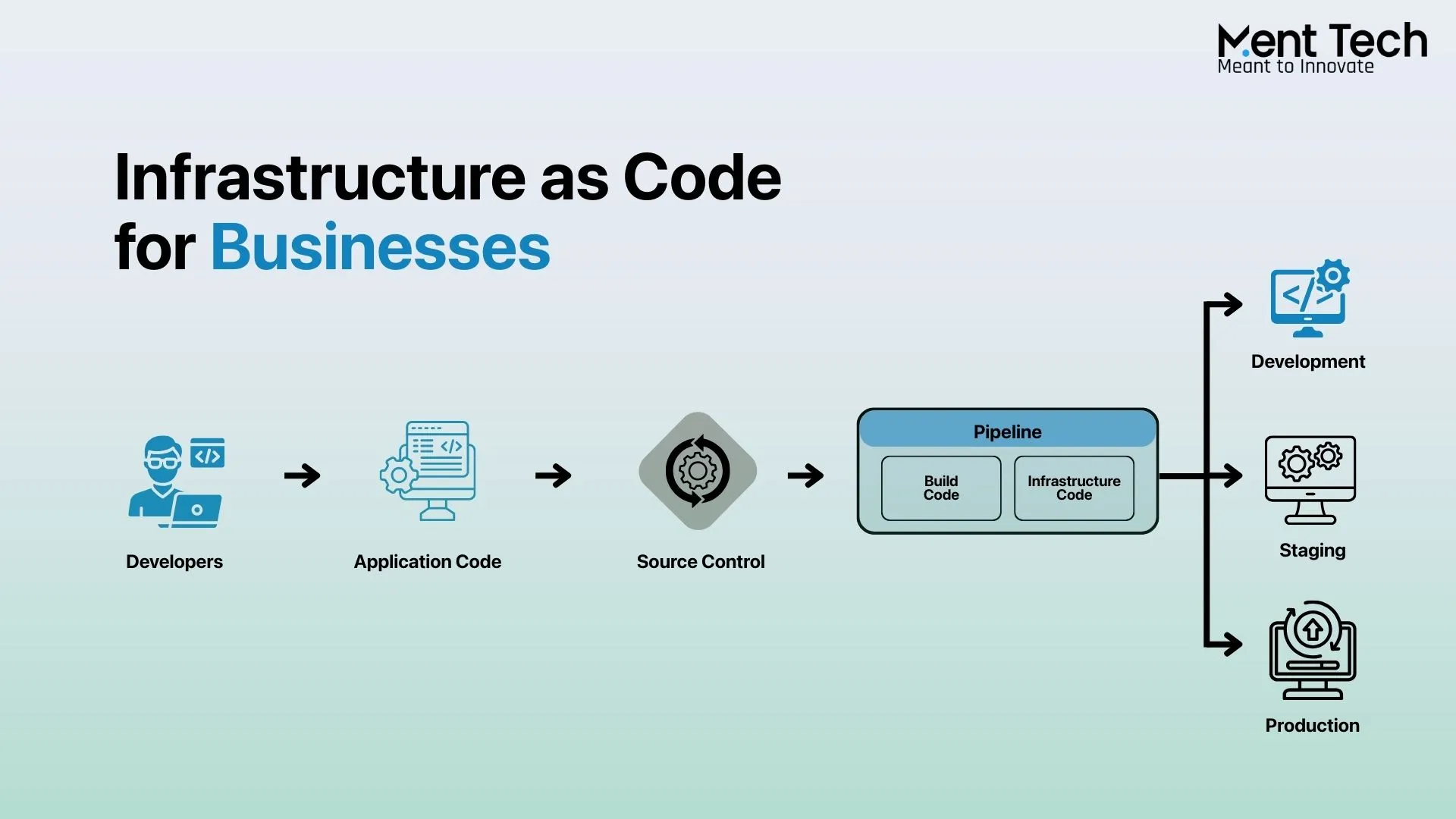
Cloud systems are rapidly expanding across businesses. New servers, settings, and quick fixes are introduced daily, and over time, this creates a setup that works but often feels messy. Teams often don’t know what’s running, who changed it, or how it affects operations. Data from Firefly shows that over 90% of companies use Infrastructure as Code, yet many still face mismatches between planned and actual setups, driving up costs, risks, and downtime.
Over half of infrastructure changes happen outside the planned process, often undocumented and hard to track. Infrastructure as Code provides a structured way to manage, monitor, and control all changes, giving teams clarity, stability, and confidence. It helps businesses avoid costly mistakes and scale operations smoothly.
| Key Takeaways 1. Over 50% of infrastructure changes happen outside the planned process. 2. 80% of teams experience mismatches between planned and live configurations. 3. High drift and untracked changes drive higher costs, security risks, and downtime. |
What Is Infrastructure as Code (IaC)?
Infrastructure as Code, or IaC, is a way to set up and manage all your IT systems using simple, readable files instead of doing everything manually. Think of it like writing instructions for your infrastructure that a computer can follow exactly, so teams can build, update, and fix systems faster, with fewer mistakes. It turns infrastructure into something predictable, repeatable, and easier to control, helping businesses scale without chaos.
Key Concepts of Infrastructure as Code (IaC)
- Declarative vs. Imperative: You can either tell the system the final setup you want (declarative), and it figures out the steps to reach that state, or give step-by-step instructions (imperative) for exactly how to set it up.
- Idempotency: Running the same instructions multiple times always produces the same result. This means mistakes or repeated runs won’t break the system, giving teams confidence that the infrastructure stays consistent.
- Mutable vs. Immutable: Mutable infrastructure can be updated directly after it’s created, but this can sometimes cause unexpected changes over time. Immutable infrastructure avoids that by replacing the old setup with a new one, ensuring reliability and making it easier to roll back if needed.
This approach is especially valuable for organizations running enterprise blockchain development platforms, where consistency, uptime, and predictable environments are critical to business operations.
How Infrastructure as Code (IaC) Works?
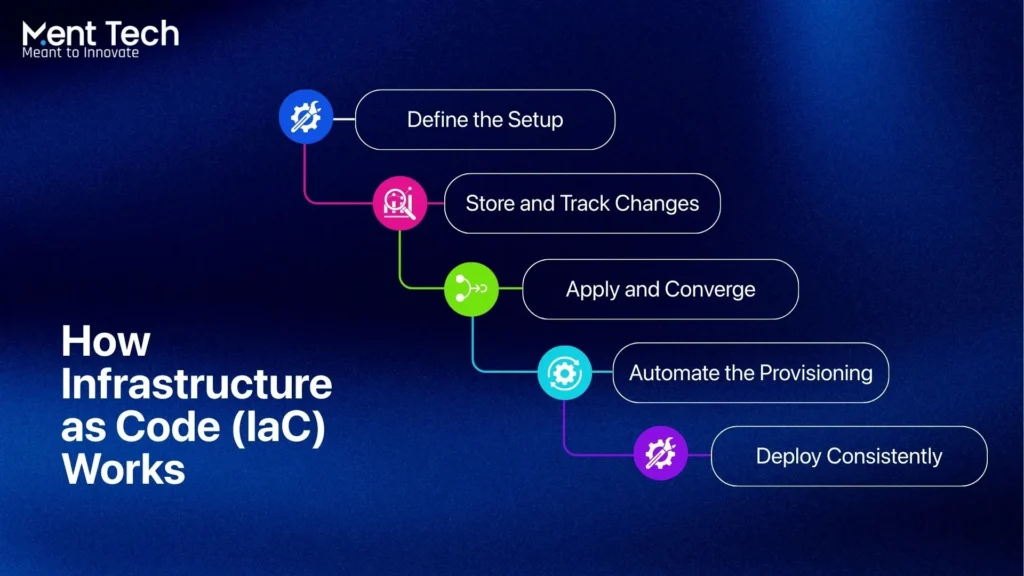
This process shows how infrastructure can be built and managed like software. Every step from planning to deployment ensures systems stay reliable, changes are tracked, and teams can scale without chaos.
1. Define the Setup
Teams create readable infrastructure instructions that describe servers, networks, security policies, and databases. These configurations support modern workloads such as AI platforms, decentralized systems, and generative AI development pipelines, using formats like YAML, JSON, or Terraform HCL.
2. Store and Track Changes
The infrastructure instructions are saved in version control, just like application code. Every change is recorded, making it easy to see what was updated, who made the change, and why. If something goes wrong, teams can quickly return to a previous, stable version.
3. Apply and Converge
Automation tools read the instructions and compare them with what is already running. If there is any discrepancy, the system automatically applies only the necessary updates to match the defined setup. This ongoing alignment keeps infrastructure consistent over time.
4. Automate the Provisioning
Infrastructure tools connect directly to cloud providers such as AWS, Azure, or Google Cloud to provision resources automatically. This approach enables fast and repeatable setups for teams that hire blockchain developers and require consistent environments across projects.
5. Deploy Consistently
The same instructions can be used to set up infrastructure in different environments like testing, staging, or production. This guarantees that every environment is consistent, reducing errors and saving teams time and effort.
How Infrastructure as Code Supports Enterprise Risk Management?
Using Infrastructure as Code helps businesses reduce risks while keeping systems reliable and secure. By treating infrastructure like code, teams can plan, build, and update environments in a controlled, repeatable way, making mistakes less likely and operations easier to manage.
For example, teams can automate server setups, network connections, and database provisioning so everything is consistent across development, testing, and production. Even if a new application needs to communicate with a cloud database it has never used before, IaC allows the team to set up all the necessary infrastructure quickly and securely.
It also helps with security and compliance. Rules and policies can be built into the infrastructure itself, so every version is checked automatically for vulnerabilities and regulatory requirements. In case of a failure, the entire environment can be rebuilt quickly from the code, reducing downtime and keeping the business running. This is particularly useful for organizations offering blockchain consulting, where compliance, auditability, and predictable infrastructure behaviour are essential for client trust.
Business Use Cases of Infrastructure as Code in Enterprises
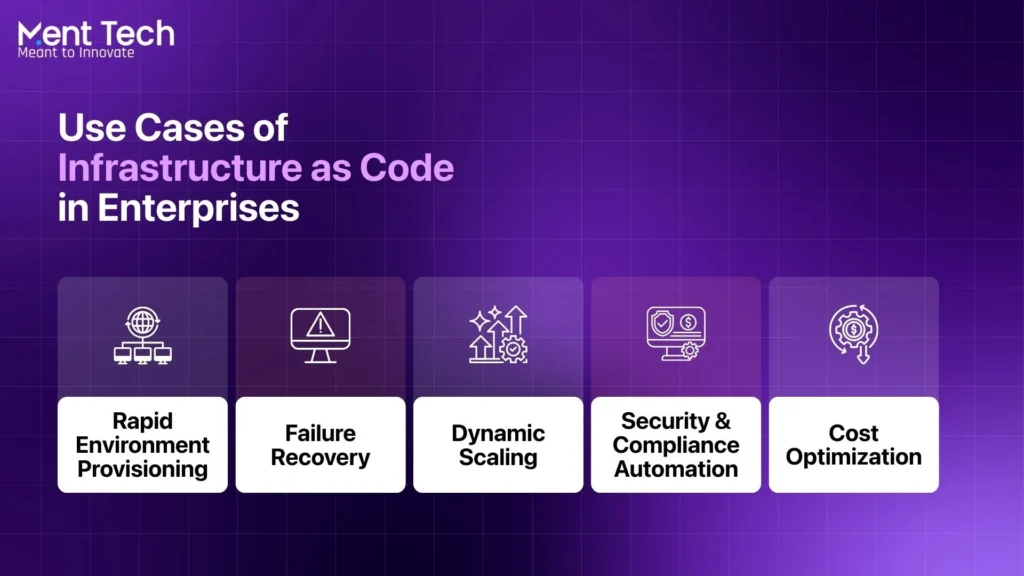
Infrastructure as Code helps businesses run IT systems faster, more reliably, and with lower costs. By treating infrastructure like code, teams can automate repetitive tasks, reduce errors, and focus on innovation instead of manual setup.
1. Rapid Environment Provisioning: IaC allows teams to quickly create identical development, testing, and production environments. This consistency eliminates errors caused by mismatched setups and accelerates application delivery, helping businesses launch features faster.
2. Failure Recovery: Entire systems can be recreated automatically after failures, protecting operations for AI trading, financial apps, and tokenized asset platforms. This reduces downtime, protects critical operations, and ensures the business can keep running even during unexpected disruptions.
3. Dynamic Scaling: Infrastructure can automatically adjust to traffic changes, scaling resources up during peaks and down during quiet periods. This ensures optimal performance without overspending on unused capacity, keeping both users and budgets happy.
4. Security & Compliance Automation: Security rules and compliance checks can be built into the infrastructure code itself. Every new setup automatically meets regulations and company policies, reducing the risk of breaches and simplifying audits.
5. Cost Optimization: Temporary or unused resources can be provisioned and removed automatically. This prevents unnecessary spending, keeps cloud costs under control, and allows teams to plan budgets more accurately while avoiding waste.

Challenges and Best Practices of Scaling Infrastructure as Code
As companies grow, their infrastructure grows with them. What works for a small setup can quickly become hard to manage at scale. Infrastructure as Code helps bring structure, but only when it’s used with the right practices. Without clear rules and shared processes, even automated systems can become difficult to control.
| Challenge | Description | Best Practice |
| Growing complexity | As infrastructure expands, resources start depending on each other, making changes harder to manage | Break infrastructure into small, reusable parts that are easier to update and maintain |
| Inconsistent environments | Differences between testing and production setups can cause failures | Use the same definitions and standards across all environments |
| Team coordination issues | Multiple teams changing infrastructure can lead to conflicts | Track all changes in a shared system and review them before applying |
| Hidden technical debt | Old or messy infrastructure code slows down progress | Regularly clean up, update, and simplify infrastructure definitions |
| Security gaps | Small misconfigurations can turn into big risks at scale | Build security rules directly into infrastructure and limit access carefully |
| Limited visibility | Teams lose track of what changed and why | Monitor changes continuously and flag mismatches early |
Top 3 Infrastructure as Code Tools for Businesses in 2026
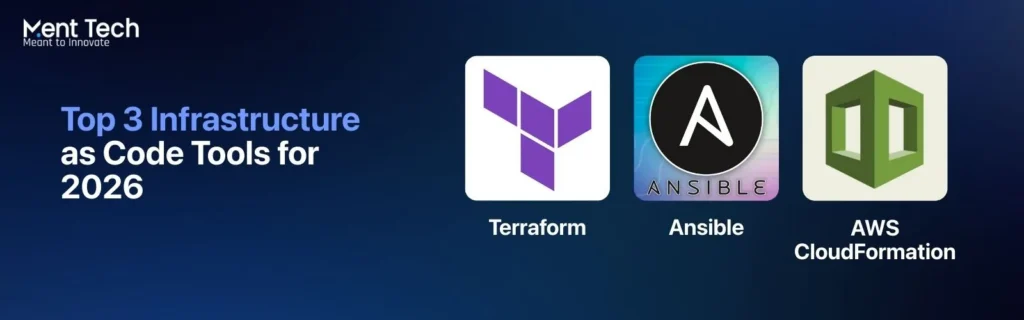
As more companies move critical systems to the cloud, choosing the right Infrastructure as Code tool becomes a business decision. The tools below are widely used because they help teams stay organized, reduce manual work, and manage growing infrastructure without losing control.
Terraform
Terraform is popular with businesses that run systems across more than one cloud. It lets teams describe their infrastructure in a clear, structured way and apply the same setup across different providers. It helps businesses reuse infrastructure setups while supporting AI platforms, Web3 systems, and global Web3 deployments.
Ansible
Ansible is often chosen for its simplicity and flexibility. It helps teams automate routine infrastructure tasks, manage system settings, and roll out updates without complex setups. Businesses like Ansible because it reduces hands-on work, speeds up operations, and is easy for teams to adopt as infrastructure grows.
AWS CloudFormation
CloudFormation is a strong choice for companies fully invested in AWS. It allows teams to set up and manage AWS resources using clear templates, keeping everything aligned with AWS best practices. For businesses focused on one cloud, it offers tight integration, reliability, and predictable infrastructure changes.
Future Impact of Infrastructure as Code on Business Operations
Infrastructure as Code is becoming essential as cloud systems grow larger and more complex. Many businesses already struggle to keep track of changes, costs, and risks across multiple teams and platforms. IaC helps bring order by turning infrastructure into something planned and predictable. In the future, companies will rely on IaC not just to set things up but to keep systems stable as they scale across regions, clouds, and business units.
More intelligence is being added to how infrastructure is managed. Tools are beginning to flag risky changes, spot issues before they cause outages, and suggest fixes automatically. Some systems can already correct common problems on their own. This reduces downtime. limits financial impact, and takes pressure off IT teams, allowing them to focus on improving systems instead of constantly fixing them.
IaC is also becoming easier for more teams to use safely. Businesses are creating shared templates, clear rules, and self-service access so teams can move faster without breaking standards. This makes it easier to control security, compliance, and costs while still supporting growth. As digital systems continue to expand, Infrastructure as Code will play a key role in keeping operations reliable, secure, and financially efficient.
Why Businesses Choose Ment Tech Labs for Infrastructure Management
As cloud environments grow, keeping infrastructure organized and under control becomes a real challenge. At Ment, we work with businesses that struggle with limited visibility. untracked changes, rising cloud costs, and growing operational risk. Our focus is simple: help teams clearly see what is running, understand what changed, and keep infrastructure aligned with what was planned.
Our expertise includes
- Full visibility across infrastructure
- Early detection of risky changes
- Better control over cloud spend
- Support for growing environments
- Clear accountability without friction
At Ment, we believe infrastructure should feel predictable. By bringing clarity, structure, and control into cloud operations backed by 24/7 Support Developers, we help businesses run stable systems, manage risk, and scale with confidence without slowing teams down.
FAQs
No. Small and mid-sized businesses benefit just as IaC helps early teams to avoid chaos as they grow and gives larger enterprises the structure needed to manage complex systems across teams and regions.
Many teams see improvements in consistency and deployment speed within weeks. Cost control and risk reduction benefits grow over time as environments scale.
Ment gives teams visibility into infrastructure changes, highlights unplanned updates, and helps control costs and risk. It supports businesses in keeping IaC environments aligned, stable, and easy to manage as they scale.
The cost depends on your cloud setup, team size, and tools used. Many IaC tools are open source, but businesses usually invest in setup time, cloud usage, and monitoring. Over time, IaC often lowers costs by reducing waste, errors, and unplanned changes.
Without IaC, teams often face higher cloud bills, longer outages, manual recovery efforts, and security incidents caused by untracked changes.